Week o’ slogging
It's a little before noon on Tuesday, and I can tell this is going to be the week when I wade through the swamp, tearing out invasive plants one by one. Or maybe I'm pulling the sled alone. Or on KP duty. Pick your metaphor: lots of tasks piled up and 238 emails in my […]
Please leave your magic numbers on the magic carpet with the magic wand
The shorter Bill Tucker: "No, you pull a number out of the air." Well, buckaroos, if anyone's going to be all airy-fairy on this quantitative-component teacher-evaluation thing, it's going to be all Ivory Tower, historian me. But I don't think you'd like that. Maybe I should explain. Tucker's argument in a nutshell is, "Okay, if […]
Emotions and history
As my colleagues in the social-studies education program at USF would point out, one goal some teachers have for history is using a form of (past) culture shock to develop students' empathy. I think some version of empathy is useful for reading primary sources and identifying potential interpretations and questions, but "developing empathy" is not […]
L.A. Times crash-and-burn report
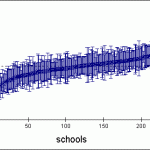
Now that the L.A. Times has made its database on teachers and its VAM scores public, we can and should hold the Times accountable for whether it has responded to concerns professionally. Here is what Jason Felch, Jason Strong, and Doug Smith wrote in part to Jay Mathews in response to his concerns: … teachers […]
EPI publishes white paper on value-added/growth measures and teacher evaluation
Just after midnight, the Economic Policy Institute released a relatively short white paper coauthored by ten well-known researchers, Problems with the Use of Student Test Scores To Evaluate Teachers. Key passage from the executive summary: A review of the technical evidence leads us to conclude that, although standardized test scores of students are one piece of […]